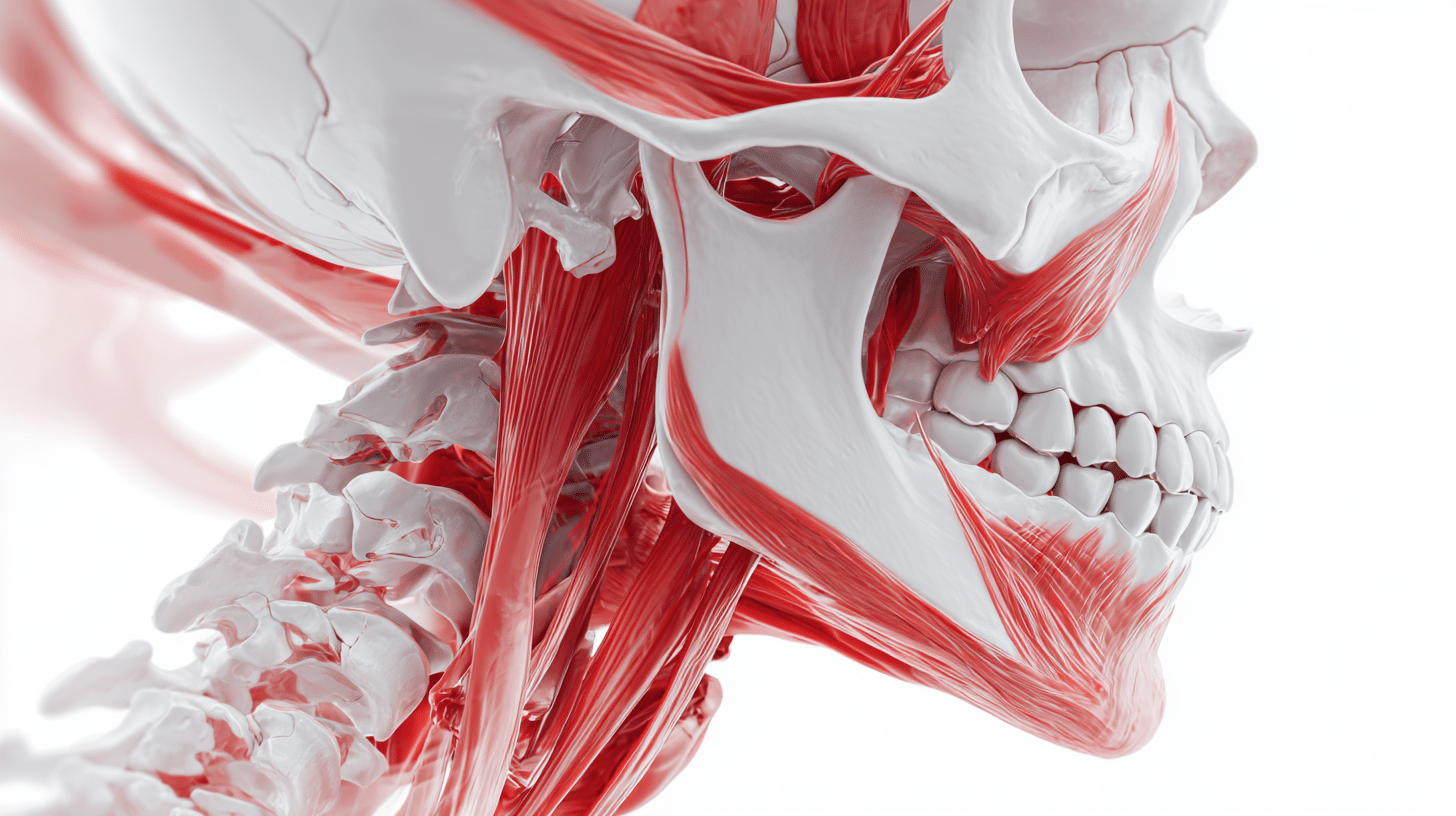
The immediate thought about a jaw that clicks is temporomandibular joint (TMJ) dysfunction, but there are possible underlying causes like stress or muscle tension. It is difficult to determine what is causing a clicking jaw without an exam by a dentist or doctor.
It Could Be Harmless
The TMJ, which is the jaw joint that contains a cartilage disc, connects your skull to your jawbone. It is supposed to move smoothly with the disc cushioning the bones. Sometimes, the disc slides out of position and then back into place, producing a clicking sound. This most often happens while yawning, speaking, or chewing.
The clicking sound isn’t necessarily a sign of a major problem, but it can cause jaw pain and be related to other issues like arthritis. Most people will experience some type of jaw popping occasionally when they open their mouth wide to yawn, eat, or sing. It only becomes concerning if it happens frequently and causes pain.
Causes of Jaw Clicking
Bruxism (Teeth Grinding & Jaw Clenching)
One of the most common reasons for this condition is bruxism, which is teeth grinding or jaw clenching during sleep. This causes excessive strain on the jaw muscles and bones, resulting in TMJ issues. Depending on the amount of stress in daily life, people may even find themselves clenching their jaws during the day.
Jaw clenching and teeth grinding can cause other problems besides jaw strain. It can lead to damage to teeth and breakage. Seeing a dentist about bruxism can offer jaw relief and solutions to protect your teeth, such as a nightguard.
Treatment: A custom-fitted nightguard can protect your teeth and relieve jaw strain
Oral Habits
Biting pens, nail biting, and chewing gum put excessive strain on teeth and jaws. These habits can damage and break teeth, so you should find alternative ways to release stress and nervousness.
Stress & Muscle Tension
Muscle tension from stress and jaw injuries can result in TMJ. Bodies react to stress in various ways, and one is that muscles tighten. Become aware of when this happens and try to find ways to lessen the strain. Injuries occurring years ago can also present problems later.
Misaligned Teeth
Another possible explanation is an off-bite from misaligned teeth. Crooked teeth can cause the jaw to move in ways it wasn’t meant to move, causing strain. Seeing a dentist or orthodontist about fixing crooked teeth is the best way to remedy the issue.
Genetics & Arthritis
Some people have a genetic component involved in their jaw dysfunction. Those with a family history of TMJ issues will likely see it in their own jaws. One of the more serious issues associated with TMJ is arthritis, and that can include osteoarthritis or rheumatoid arthritis. This could also follow a family line of arthritic problems.
Understanding Different Types of Clicks
It’s important to understand that there isn’t one type of jaw clicking because some is normal while other types indicate a more serious problem.
Loud Click During Opening
TMJ issues often happen when the disc pops during mouth opening, producing a loud click. It may or may not be painless.
One-Sided Clicking
Clicking that occurs on one side shows that there is a single TMJ issue, causing an imbalance. This can cause pain later.
Clicking with Pain
The key indicator of a problem is pain. Pain is caused when jaw ligaments or muscles are affected by the disc movement.
Managing TMJ Symptoms
Home Care & Lifestyle Modifications
Most people start with some basic home treatments and lifestyle changes before going to a dentist or doctor:
Stress Reduction
Practice relaxation techniques and mindfulness
Avoid Gum Chewing
Eliminate habits that strain the jaw
Posture Correction
Improve alignment to reduce strain
Warm Compresses
Apply heat to relax jaw muscles
Gentle Exercises
Perform jaw stretching movements
When Professional Care is Needed
You should seek professional TMJ evaluation in Toronto if you experience:
- Persistent or worsening pain
- Jaw locking or difficulty opening widely
- Swelling in the jaw area
- Associated symptoms such as ear pain, headaches, or facial pain
Professional Treatment Options
Custom mouthguards to prevent teeth clenching and grinding during sleep
Targeted exercises and manual therapy to strengthen and relax jaw muscles
Correction of bite alignment and tooth positioning issues
Reserved for severe cases that don’t respond to conservative treatment
Expert TMJ Evaluation & Treatment
While jaw clicking isn’t necessarily a serious issue for most who endure it, it can cause pain and present problems while eating, laughing, or yawning. The good news is that it can be easily treated by a dentist.
Those who have questions about TMJ and jaw clicking can call us. We’ll be happy to set up an appointment to evaluate your condition and offer options.